Virtual Reality is gradually gaining attention in Nigeria, yet mixed reactions persist among businesses, educational institutions, and tech communities. These hesitations reveal valuable insights about where VR technology can deliver the most significant impact in the Nigerian market.
This article explores common concerns about VR adoption in Nigeria and demonstrates how each reservation actually highlights specific opportunities for transformative applications.
Common VR Concerns in Nigeria
The Social Isolation Concern
Many Nigerians worry that VR headsets will isolate users and diminish the community-focused interactions that define Nigerian culture. This concern reflects genuine values about connection and collaboration in both business and education.
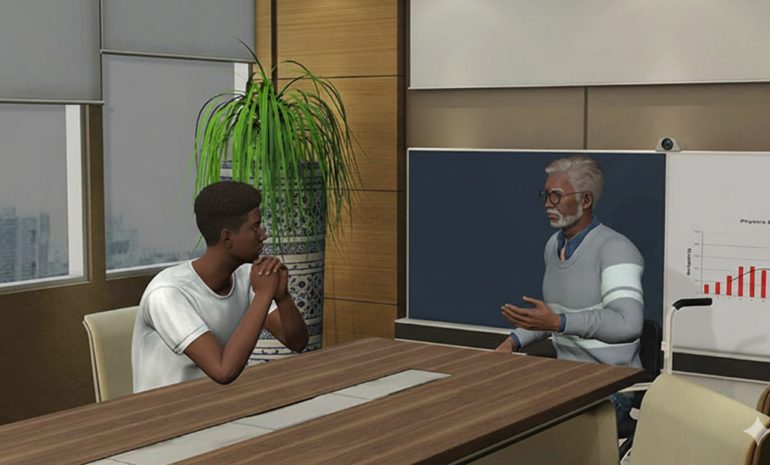
However, modern VR technology actively enhances collaboration rather than reducing it. Multi-user virtual classrooms enable students across Lagos and Kaduna to learn side-by-side in shared digital environments. Workplace simulations allow teams to practice together without coordinating expensive travel arrangements. Real estate professionals walk clients through properties simultaneously, while architects collaborate on designs in real-time regardless of physical location.
In Nigeria, where traffic congestion can transform a two-hour meeting into an all-day commitment, VR creates shared spaces that feel authentic without logistical complications. The technology makes meaningful connections more accessible rather than replacing them entirely.
The Cost Barrier Perception
The upfront investment required for VR equipment causes hesitation among Nigerian organizations operating within tight budgets. This concern appears justified when viewing VR as a luxury technology rather than a strategic investment.
A broader analysis reveals a different perspective. Organizations currently allocate substantial budgets to recurring expenses like monthly venue rentals for training sessions, team travel coordination, consumable materials replacement, and repeated physical workshop setup. These ongoing costs accumulate continuously without generating long-term assets.

VR fundamentally transforms this cost structure. A single VR lab trains hundreds of students over multiple years. One device runs unlimited simulations without additional consumables. Property developers host countless virtual tours without staging physical showings. Manufacturing companies train workers on dangerous procedures without risking equipment damage or safety incidents.
The question shifts from whether VR requires investment to whether organizations can sustain current spending patterns indefinitely. VR’s upfront cost actually enables dramatic reductions in ongoing operational expenses.
Motion Sickness and Physical Discomfort
Concerns about motion sickness typically stem from experiences with early VR headsets or secondhand reports about outdated technology. Early VR devices did cause dizziness, eye strain, and discomfort for many users.
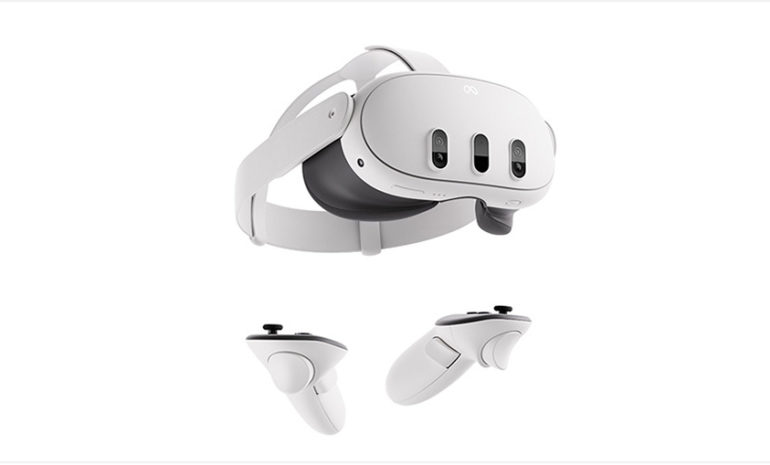
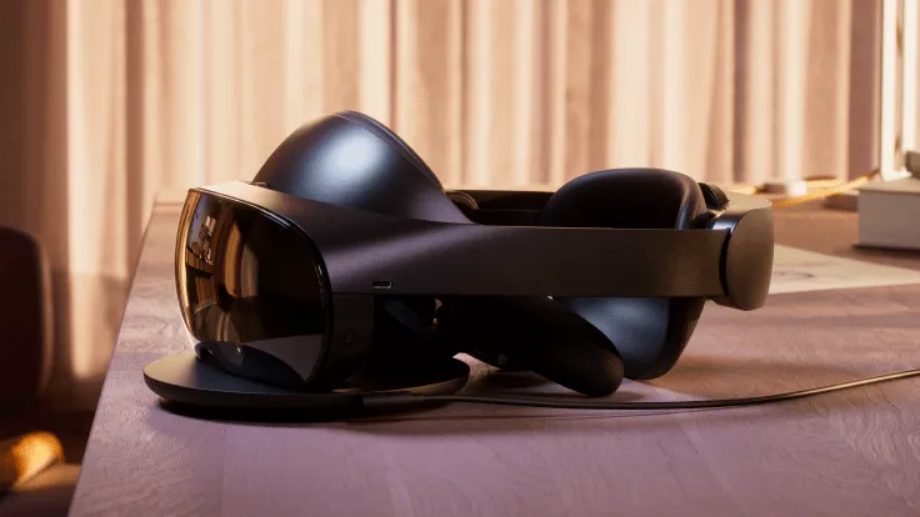
Contemporary VR technology has advanced significantly beyond these early limitations. Modern headsets feature sharper optics, faster refresh rates, improved weight distribution, and precise motion tracking systems. When combined with experiences designed specifically for Nigerian users (incorporating shorter sessions, thoughtfully paced content, and proper setup protocols), comfort levels improve dramatically.
The persistence of this concern actually demonstrates how substantially the technology has evolved. Problems that plagued early VR have been largely resolved through technological advancement and design improvements.
The Reality Escape Worry
Some observers express concern that VR’s immersive nature might pull users away from real-world responsibilities and relationships. This worry focuses on excessive engagement with virtual environments at the expense of actual priorities.
Yet this immersive quality represents precisely what makes VR exceptionally effective for learning and professional training. In environments filled with distractions, notifications, side conversations, and wandering attention, VR’s ability to maintain focused engagement delivers genuine educational value.
Students demonstrate higher information retention rates in VR learning environments. Workers practice skills more effectively through immersive simulations. Teams maintain better engagement during training sessions compared to traditional formats. The immersion that raises concerns is exactly what establishes VR as one of the most powerful educational and training tools available.
VR does not facilitate reality escape; it enables more effective preparation for real-world challenges and responsibilities.
The Local Content Gap
The absence of adequate Nigerian-specific VR contents represents the most frequently cited concern. Most available VR experiences feel foreign, built for other markets, addressing different contexts, often solving problems irrelevant to Nigerian industries.
This gap, however, represents Nigeria’s opportunity to lead rather than follow in VR development. Nigerian industries require VR experiences built around actual local challenges. These include educational curriculum aligned with national standards, construction training for Nigerian building practices, market and infrastructure simulations, real estate showcasing Nigerian properties, and scenarios reflecting specific cultural and environmental realities.
The absence of enough local content is not a limitation but an open door. Organizations and innovators creating contextual Nigerian VR experiences today will establish industry standards for years to come. Nigeria is not late to this technological conversation – the timing is ideal for shaping its direction.
How Insightful3D Addresses Nigerian VR Challenges
Each concern discussed reveals genuine opportunities waiting to be captured. Realizing these opportunities requires deep understanding of Nigerian realities: not just technology capabilities, but cultural values, cost structures, infrastructure challenges, and how industries actually operate locally.
Insightful3D specializes in immersive training solutions for education, manufacturing, and oil and gas sectors. The company creates photorealistic virtual tours for real estate and architecture projects. Insightful3D builds simulation-based learning environments and develops custom VR content designed around Nigerian contexts rather than adapting imported templates.
The company supports multi-user collaborative VR, enabling teams and institutions to work together in virtual spaces while maintaining the sense of connection that matters in Nigerian professional culture.
The objective is not importing foreign VR solutions to Nigeria. The goal is building Nigerian VR solutions that actually work—practical, affordable, culturally relevant, and genuinely effective for local applications.
The Path Forward for VR in Nigeria
Nigeria’s reservations about VR reflect thoughtfulness rather than resistance. Each question about cost, comfort, and relevance reveals exactly where immersive technology can create substantial value for Nigerian organizations.
Countries that listen to skepticism and treat concerns as insights innovate most rapidly. They address reservations with real solutions rather than dismissing valid questions.
VR adoption in Nigeria is not about chasing technology trends. It represents solving actual problems with tools that fit Nigerian realities. With the right approach, current hesitations will become tomorrow’s success stories.
This transformation is already beginning. Insightful3D helps Nigerian organizations navigate this technological shift, turning uncertainty into clarity and opportunity into lasting measurable impact.