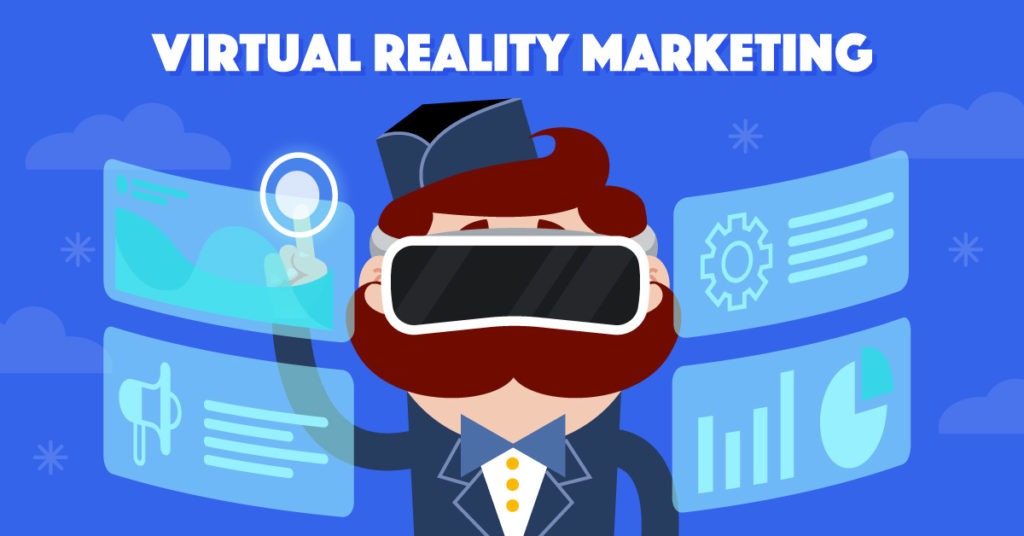
Virtual reality for marketing is no longer a futuristic idea – it is a practical tool brands are using to attract attention, deepen engagement, and stand out in increasingly crowded markets. With millions of global users already interacting with immersive technology, VR has moved beyond gaming into advertising, product visualization, and brand storytelling.
The question for businesses today is not whether to explore VR, but how to use it effectively. This article outlines seven practical ways companies can use virtual reality to create memorable marketing experiences that resonate with modern consumers.
1. Using Virtual Reality for Marketing Through Interactive Product Demos
Traditional product photos and descriptions often struggle to communicate real value. Virtual reality solves this by allowing brands to build interactive 3D product demonstrations that customers can explore at their own pace.
With VR product demos, users can rotate, customize, and interact with products in a simulated environment. This hands-on experience builds stronger understanding, increases confidence, and significantly improves purchase intent. Businesses investing in virtual reality solutions for businesses gain a powerful advantage by letting customers experience products rather than just view them.
2. First-Person VR Advertising Experiences That Capture Attention
VR transforms advertising from a passive activity into an immersive experience. Instead of watching an ad, users step inside the brand story and engage from a first-person perspective.
This approach allows companies to communicate emotion, purpose, and value in ways traditional media cannot. When customers feel present inside a campaign, they develop stronger emotional connections, higher recall, and deeper trust in the brand message.
3. Gamifying Campaigns with Virtual Reality Marketing
Gamification is a natural fit for VR marketing campaigns. By combining interactive challenges with immersive environments, brands can turn promotions into memorable experiences.
In markets like Nigeria, where digital gaming culture is rapidly expanding, VR-based games, competitions, or branded challenges can dramatically boost engagement. Rewards such as discounts, exclusive content, or digital collectibles further encourage participation.
4. Testing and Visualizing VR Marketing Strategies
Virtual reality is not only a marketing output tool; it is also a strategic planning asset. Brands can use VR to visualize campaigns, customer journeys, and sales funnels before investing in full deployment.
VR enables teams to:
- Visualize complex marketing data in immersive formats
- Build virtual prototypes for customer feedback
- Analyze user behavior through heatmaps and interaction tracking
This leads to smarter decisions, reduced risk, and more effective campaigns.
5. Entertaining Audiences with Immersive VR Marketing Experiences
Modern consumers avoid aggressive sales tactics. VR marketing shifts the focus from selling to storytelling and entertainment.
Brands can create enjoyable, memorable virtual experiences that spark curiosity and emotional connection. Humor, exploration, and interactive storytelling help users associate positive feelings with the brand—often leading to long-term loyalty rather than one-time conversions.
6. Communicating Brand Identity Using Virtual Reality Marketing
Virtual reality offers a powerful platform for brand education and storytelling. Instead of static “About Us” pages, companies can immerse users in their mission, values, and operations.
Brands can use VR to:
- Share their history, mission, and vision
- Offer virtual tours of facilities or production processes
- Create virtual showrooms or retail environments
- Host interactive FAQ or onboarding experiences
These experiences help customers connect emotionally with the brand and understand its value beyond products alone.
7. Targeted Advertising with Virtual Reality Marketing Data
One of VR’s greatest strengths is its ability to generate meaningful user data through interaction. User preferences, movement patterns, and engagement behaviors provide valuable insights for highly targeted advertising.
By analyzing how users interact within VR environments, brands can create personalized campaigns that feel relevant and timely. Businesses offering virtual reality services can leverage this data responsibly to improve conversion rates and long-term customer relationships.
Conclusion
Virtual reality for marketing is no longer experimental, it is a competitive advantage. Brands that adopt VR can differentiate themselves, create deeper engagement, and communicate value more effectively than traditional channels allow.
While some businesses may hesitate due to perceived cost or complexity, the long-term benefits of immersive marketing far outweigh the risks. As consumer expectations continue to evolve, virtual reality is set to become one of the most powerful tools in modern marketing strategies.