Nigeria’s economy is expanding rapidly, and the pressure on its workforce is increasing just as quickly. From offshore oil platforms in the Niger Delta to hospitals in Abuja and construction sites in Lagos, industries across the country need professionals who are skilled, safety-conscious, and ready to perform from day one. However, traditional training methods continue to fall short. They are expensive, difficult to scale, and often fail to prepare workers for real-world pressure.
This is why VR training in Nigeria is gaining serious momentum across multiple sectors. Unlike classroom-based instruction, VR training in Nigeria places learners inside fully immersive, interactive simulations that mirror real-life environments. The result is faster skill acquisition, stronger knowledge retention, and fewer workplace accidents.
As technology becomes more affordable and adoption increases, VR training in Nigeria is shifting from being a futuristic concept to a practical workforce solution. Organizations are realizing that VR training in Nigeria is not just innovative, it is a high-ROI investment that strengthens performance, improves safety, and builds job-ready talent at scale.
Here are nine compelling reasons why VR training is reshaping workforce development in Nigeria.
1. It Makes High-Risk Training Genuinely Safe
Nigeria’s most critical industries, including oil and gas, construction, mining, and healthcare, are also its most dangerous. Traditionally, workers learn on the job by facing real hazards, often before they’re truly ready.
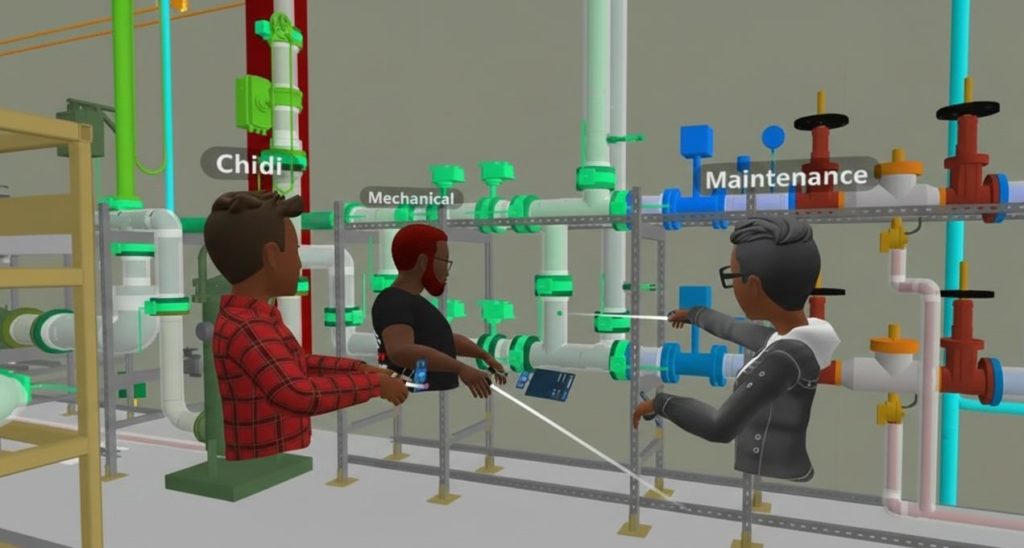
VR safety training eliminates this problem entirely. Trainees practise responding to gas leaks, operating heavy machinery, or performing surgical procedures inside a simulated environment. Crucially, mistakes carry no physical consequences there. So every error becomes a learning moment rather than a liability. For Nigerian energy and industrial companies, a single safety incident can cost millions of naira and irreplaceable lives. Because of this, the shift from reactive to preventive training is genuinely transformative.
2. People Learn Faster and Remember More
Research consistently shows that immersive, experiential learning produces retention rates of 75% or higher. That’s compared to just 5–10% from traditional lectures or reading. Furthermore, trainees in VR environments master new skills up to four times faster than those in conventional programmes. In other words, shorter sessions deliver results equivalent to much longer classroom instruction.
For Nigeria’s large and ambitious young workforce, VR skill acquisition offers a clear advantage. It means shorter onboarding, better on-the-job performance, and a faster path to professional competence. In sectors facing critical skill gaps, including vocational trades, technical engineering, and healthcare, this kind of acceleration simply can’t be overstated.
3. Engagement Goes Through the Roof
One of the most consistent findings in VR training research is how captivated learners become. Stepping into a 360-degree environment with no external distractions triggers genuine emotional and cognitive engagement. In contrast, passive learning methods simply cannot replicate this effect.
For Nigeria’s digitally native youth population, interactive and game-like training experiences feel natural, even exciting. And this isn’t just a “nice to have.” Higher engagement translates directly into better focus, stronger recall, and greater motivation to complete training programmes. Moreover, whether the setting is urban Lagos or a rural community in Kogi State, immersive VR experiences make workforce development feel relevant to the people going through it.
4. The Long-Term Cost Savings Are Substantial
VR training does require an upfront investment in headsets, software development, and content creation. However, once that infrastructure is in place, the recurring costs drop sharply. For instance, organisations eliminate travel expenses, physical consumables, facility hire, and the need to take equipment offline for practice sessions.
As a result, organisations typically achieve per-trainee savings of 50% or more, with strong return on investment within a few years. For Nigerian companies with staff spread across multiple states, from Lagos headquarters to remote Delta field sites, this scalability is a genuine competitive advantage. Moreover, one high-quality simulation can reach hundreds of employees, consistently and simultaneously, regardless of geography.
5. It Bridges Nigeria’s Urban-Rural Training Divide
Infrastructure inequality remains a real challenge across Nigeria. Specifically, bringing workers from remote communities to centralised training facilities is costly, time-consuming, and disruptive to operations.
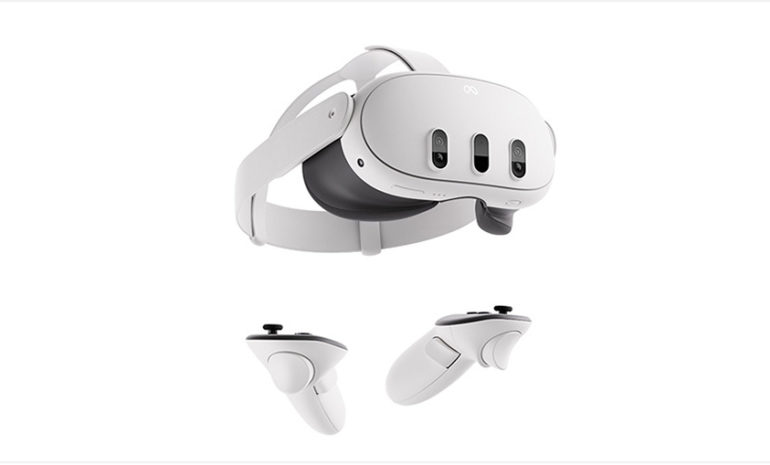
Fortunately, modern standalone VR headsets don’t require a reliable internet connection or expensive supporting hardware. They’re portable and self-contained. Consequently, they deliver the same high-quality training experience in a village in Borno State as in a Lagos boardroom. As a result, VR becomes a genuinely inclusive solution for Nigerian workforce development, giving every employee equal access to world-class training, regardless of where they live or work.
6. Training Becomes Personalised and Data-Driven
Advanced VR platforms don’t just simulate environments. They also actively measure performance within them. For example, eye gaze tracking, decision-making speed, error frequency, and movement data all feed into a real-time picture of each learner’s progress.
This level of insight is difficult to achieve in traditional training settings. With VR, however, managers can identify skill gaps early, adjust difficulty levels dynamically, and provide targeted feedback that actually moves the needle. Therefore, for resource-conscious Nigerian organisations that need to prove the value of every training naira spent, this data-driven accountability is invaluable.
7. Onboarding and Soft Skills Get a Serious Upgrade
First impressions matter, and how an organisation onboards a new employee sets the tone for their entire tenure. VR enables immersive virtual facility tours, interactive role-play scenarios, and situation-based practice. As a result, new hires understand the realities of their role before they’ve even set foot on a live site.
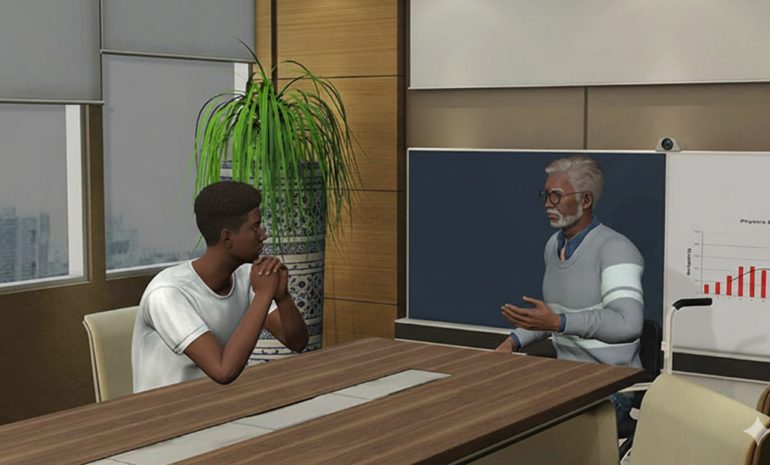
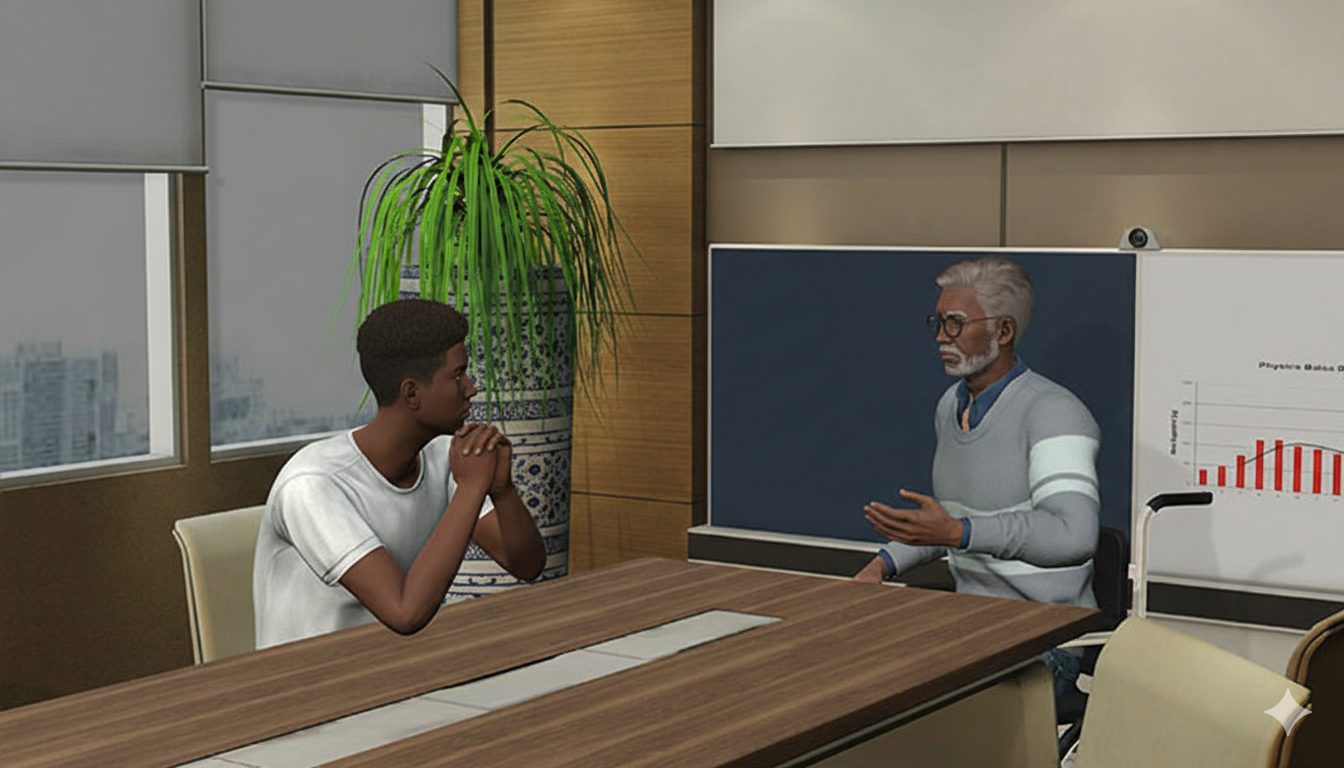
Beyond technical skills, VR also develops soft skills such as communication, empathy, conflict resolution, and teamwork. These are areas where traditional training has always struggled to create realistic practice conditions. For example, in a VR environment, a trainee can practice a difficult client conversation or lead a simulated team through a crisis. Both experiences build genuine confidence and interpersonal competence in ways a classroom simply cannot.
8. It Builds a True Culture of Safety and Risk Awareness
Effective safety training isn’t just about following procedures. Rather, it’s about developing instincts. Workers need to recognize hazards before they escalate, make sound decisions under pressure, and know how to respond when things go wrong.
VR enables exactly this kind of deep safety conditioning. Trainees work through realistic emergency scenarios, such as a pipeline rupture, a structural collapse, or a medical emergency, and repeat them as many times as necessary. Over time, this repetition builds reflexive competence. In Nigeria’s construction, oil and gas, and manufacturing sectors, where regulators and clients demand high operational reliability, this proactive approach to hazard prevention has a measurable impact on safety records and bottom lines alike.
For practical insights into how virtual reality drives efficiency, safety, and adoption in Nigeria’s oil & gas industry, check out this detailed overview: How Virtual Reality Can Transform Nigeria’s Oil & Gas Industry.
9. Unlimited Practice Closes the Gap Between Theory and Real-World Performance
In many Nigerian training environments, hands-on practice time is limited by resources, equipment availability, and supervision costs. As a result, trainees often get just one or two chances to practice a critical procedure before they must perform it independently.
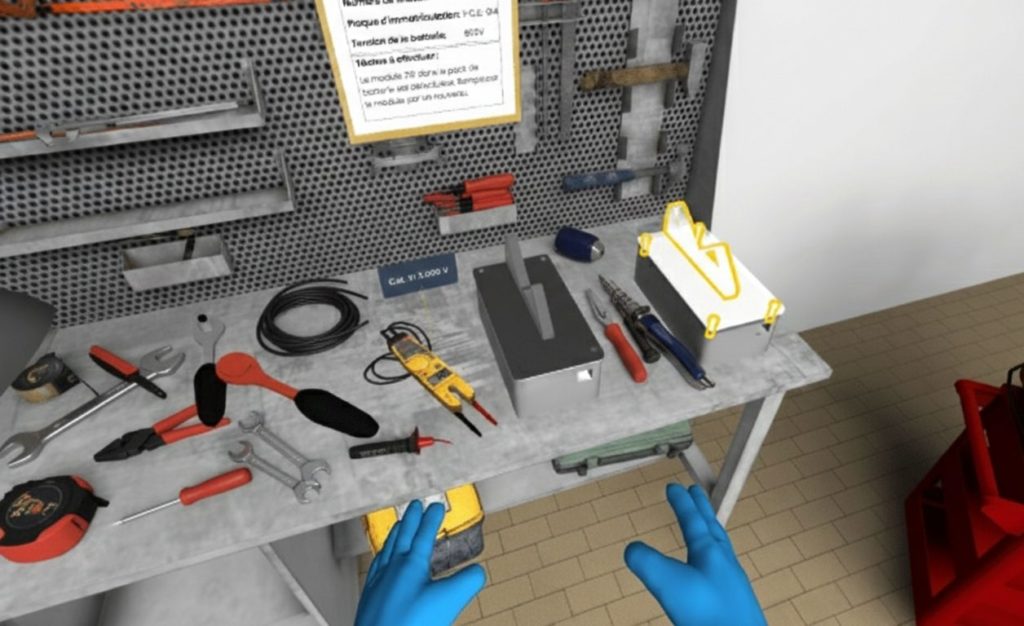
VR removes that constraint entirely. For instance, a nurse can rehearse an IV insertion, an engineer can troubleshoot a turbine fault, and a construction worker can practice crane operation. All of this happens in a consequence-free environment, with unlimited repetitions available on demand. Because of this, each trainee builds muscle memory, reduces anxiety, and closes the gap between classroom knowledge and real-world performance.
Additionally, a phenomenological study at a Nigerian university found that clinical students and lecturers reported meaningful gains in skill acquisition, proficiency, and confidence through VR-based training. Moreover, fewer errors occurred during real procedures as a direct result.
Conclusion: VR Training Is a Strategic Investment for Nigerian Organizations
Virtual reality training in Nigeria is no longer a novelty. Instead, it’s a practical, proven solution to some of the country’s most persistent workforce challenges. It’s safer, faster, more engaging, and more cost-effective than conventional approaches. Furthermore, it scales in ways that traditional training simply cannot match.
For organisations in oil and gas, healthcare, manufacturing, construction, and education, the question is no longer whether to adopt VR training. Rather, it’s how quickly they can begin.