A new employee joins a production line. Before long, they need to recognise machine controls, follow operating procedures and understand what to do when something goes wrong. The challenge is helping them develop these skills without creating unnecessary risks or disrupting production.
For Nigerian manufacturers, this is an important consideration. Training must prepare workers for the demands of the job while accounting for production schedules, equipment availability and workplace safety.
Virtual reality (VR) offers another way to approach this challenge. VR training for manufacturing workers allows employees to practise selected tasks in a simulated factory environment before applying their knowledge on the production floor.
Rather than learning exclusively through demonstrations and written instructions, workers can interact with virtual equipment, make decisions and receive feedback.
For manufacturers exploring practical ways to prepare their workforce, Insightful3D's industrial training solutions provide a starting point for understanding how immersive simulations can support workplace learning.
When the Factory Floor Becomes the Classroom
Traditional manufacturing training often involves a combination of classroom instruction, demonstrations and supervised practice. These methods remain essential, but they can present challenges when workers need repeated practice with complex equipment or procedures.
A machine may need to remain available for production. A safety incident cannot be recreated simply to show employees how to respond. Similarly, allowing an inexperienced worker to practice an unfamiliar procedure on operational equipment may require considerable supervision.
VR creates a separate environment where certain activities can be rehearsed without interacting with live machinery.
The potential applications of VR in manufacturing are also recognized in guidance from the National Institute of Standards and Technology (NIST). Its Manufacturers’ Guide to Industry 4.0 Technologies explains how virtual and augmented reality can support immersive employee training, provide repeatable practice scenarios and guide workers through equipment operation and maintenance procedures. These applications are particularly relevant to manufacturers looking for ways to prepare employees for practical tasks before they work with actual equipment.
This is an important distinction: the purpose is not simply to make training more engaging. It is to help workers understand and practice tasks they will encounter in their actual roles.
Where VR Fits Into Manufacturing Operations
The usefulness of VR depends on the job being taught. A packaging operator, maintenance technician and quality inspector do not need the same training experience. Each simulation should reflect the relevant equipment, procedures and decisions.
Learning a Machine Before Operating It
New employees often need time to understand a machine's components, controls and operating sequence.
A virtual training experience can introduce these elements before the employee approaches the physical equipment. Workers might identify components, locate controls and practice the correct sequence for a selected task.
For example, a manufacturer could develop a simulation that introduces new operators to a packaging machine. The experience might guide them through component identification, routine checks and the steps that must be completed before operation.
This initial familiarization can help make subsequent supervised training more focused.
Recognizing Hazards Through Practical Scenarios
Reading a safety procedure is different from recognizing a hazard while carrying out a task.
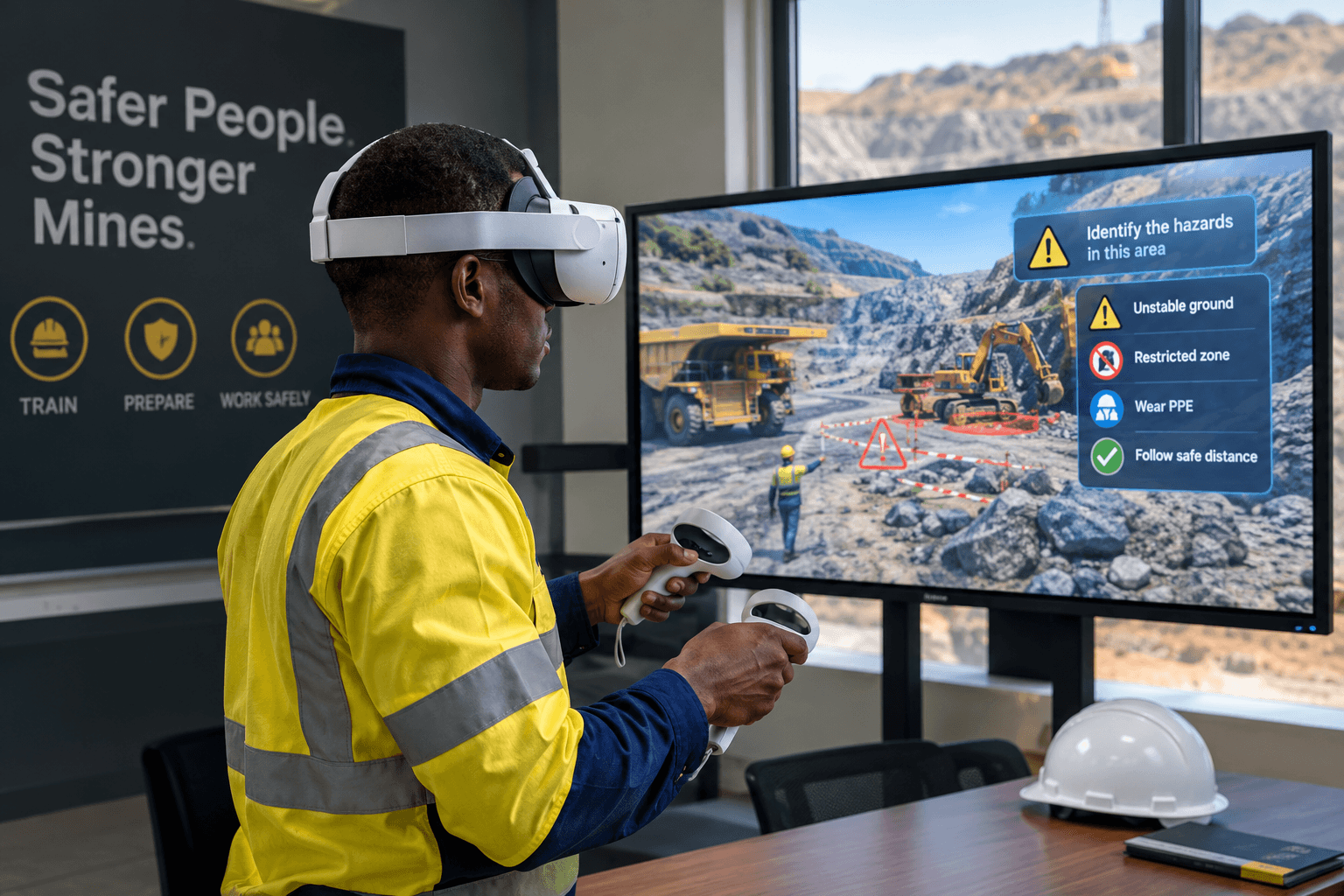
VR can place workers in simulated situations where they must identify unsafe conditions and choose an appropriate response. Depending on the facility, scenarios could involve moving machinery, obstructed walkways, missing machine guards or incorrect handling procedures.
After making a decision, the trainee can receive feedback explaining the consequences and the correct action.
Workers can then repeat the scenario and improve their responses without being exposed to the simulated hazard in the physical workplace.
The content should be developed with the company's health and safety team so that the scenarios reflect approved procedures and relevant risks.
Practising Assembly and Repetitive Tasks
Manufacturing often depends on workers completing a sequence of actions accurately and consistently.
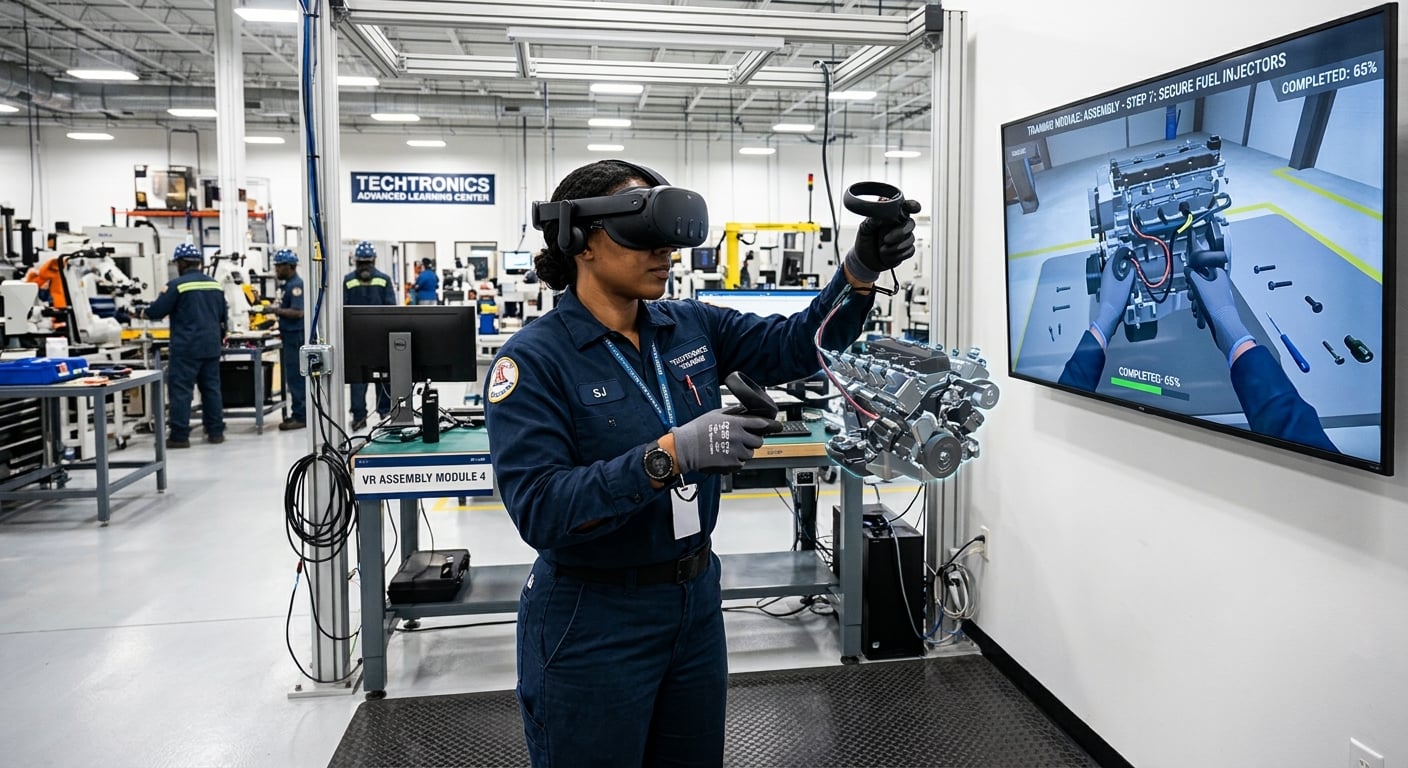
VR can help introduce these sequences by asking trainees to identify components, follow assembly instructions and complete tasks in the correct order. The simulation can flag missed steps or incorrect selections before the activity continues.
This may be useful when introducing a new assembly process or familiarizing workers with a product they have not handled before.
However, virtual practice has limits. Tasks that depend on physical pressure, material resistance, fine motor control or the feel of a tool still require appropriate hands-on training.
Preparing Maintenance Teams for Equipment Faults
Maintenance personnel need to understand equipment layouts, recognize faults and follow approved troubleshooting procedures.
A simulation can recreate selected components and present a fault for the trainee to investigate. The worker might inspect the virtual equipment, identify a likely problem and follow the required sequence of checks.
This provides an opportunity to practice decision-making before carrying out maintenance on actual machinery.
It can also help instructors identify where additional explanation is needed. Nevertheless, VR must not replace required equipment isolation, practical maintenance experience or the qualifications needed for safety-critical work.
Introducing Changes to Production Processes
Training needs do not end after an employee has settled into a role. Manufacturers regularly introduce new products, update equipment or change production procedures.
When that happens, workers may need to learn a new sequence or understand how a revised layout affects their responsibilities.
VR can provide an interactive introduction to the changes. Employees can explore the new arrangement and practice selected tasks before the revised process is implemented on the factory floor.
This is particularly useful when several employees or shifts need a consistent introduction to the same change.
What Manufacturers Stand to Gain
The value of VR training becomes clearer when it is linked to specific operational needs.
More opportunities to practice. Workers can repeat selected procedures in a virtual environment without repeatedly using live equipment or physical materials. This can provide additional preparation before supervised practical work.
A consistent training experience. The same simulation can present approved instructions and scenarios to different employees. This helps establish a common starting point for training across shifts and locations.
Earlier identification of learning gaps. If a trainee repeatedly misses a step or chooses the wrong response, instructors can use that information to identify where further guidance is needed.
Preparation away from the production line. Suitable training activities can take place without requiring access to operational equipment. This may make it easier to organize some training around production demands, although the actual benefit depends on the task and the way the program is delivered.
A clearer way to assess selected decisions. VR systems can record certain actions, errors and completion results. These records can support instructor feedback and help identify patterns across a group of trainees.
These benefits are not automatic. They depend on the accuracy of the simulation, the quality of instruction and the extent to which employees can transfer what they learn into real working conditions.
Manufacturers should therefore evaluate whether VR is improving training outcomes rather than assume that immersive technology will automatically outperform traditional methods.
Making VR Training Relevant to Nigerian Factories
The Nigerian manufacturing sector includes food and beverage production, pharmaceuticals, plastics, packaging, consumer goods and building materials. Although their processes differ, companies across these industries need workers who understand their equipment and can perform their responsibilities safely.
The most appropriate VR application will depend on the individual facility.
A food processing company might prioritize equipment familiarization and hygiene-related procedures. A packaging plant may focus on machine controls and production sequences. A plastics manufacturer could explore simulations for hazard recognition, equipment familiarization or selected maintenance tasks.
The objective is to address a genuine training requirement, not to recreate an entire factory simply because it is possible.
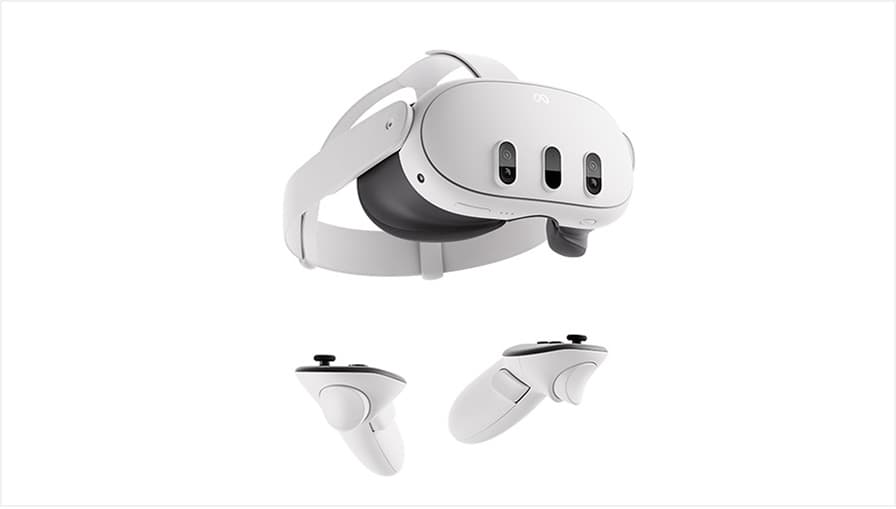
Manufacturers should also consider the practical requirements of introducing VR. Headsets need to be stored, charged, cleaned and maintained. Training sessions require suitable space and facilitation. The experience itself must reflect approved procedures and be updated when those procedures change.
Where internet connectivity is unreliable, companies should assess whether the selected hardware and software can support the intended activities offline. This should be confirmed during technical planning rather than assumed.
For organizations considering these applications, Insightful3D's virtual reality solutions provide further information on interactive VR experiences and training simulations.
How to Tell Whether VR Training Is Working
Before commissioning a simulation, a manufacturer should decide what the training needs to achieve.
If the objective is machine familiarization, assess whether employees can correctly identify the relevant components and explain the operating sequence. If the focus is hazard recognition, evaluate whether workers identify the intended risks and select the correct responses.
Where possible, compare these results with the company's existing training approach.
Other useful measures may include:
- Accuracy when completing selected procedures.
- Performance in supervised practical assessments.
- Common errors made during training.
- Time required to reach an agreed level of competence.
- Feedback from trainees, instructors and supervisors.
These measures help establish whether the experience is delivering practical value. A high completion rate or positive trainee feedback alone does not prove that workers can perform the task correctly on the factory floor.
VR assessment should therefore complement, rather than replace, the practical checks required for each role.
A Practical Starting Point for Manufacturers
Manufacturers do not need to begin with a large virtual factory or an extensive catalogue of simulations.
A more useful starting point is to identify one task that is difficult, risky or time-consuming to teach using existing methods. The company can then work with its technical, production and safety teams to determine whether a virtual experience would help.
The first version should focus on the task itself, use approved procedures and give trainees meaningful opportunities to act and receive feedback. A small pilot can then establish whether the experience is useful before further investment is considered.
For Nigerian manufacturers, VR is best viewed as an additional tool for preparing workers for real responsibilities. When it is designed around actual workplace needs and combined with appropriate supervision and hands-on practice, it can contribute to a more structured approach to workforce training.
The measure of success is not how impressive the simulation looks. It is whether workers become better prepared to perform their jobs safely, accurately and confidently.