Choosing the best VR headset can be exciting, but the many available options often confuse even experienced tech users. Whether you want a virtual reality headset that matches the latest trends or you have already purchased one and feel disappointed with the experience, this guide will serve as a reliable compass in your search for the best VR headset.
Things to Consider When Buying a VR Headset
Considering the heartbreaking stories from people who bought tech gadgets in Lagos traffic, it becomes clear that proper research is essential before investing in a virtual reality headset. This level of diligence protects you from the frustration of buying low quality equipment and ensures that your VR headset satisfies your needs.
Here are the important things to consider before buying a VR headset.
1. Prioritizing Value Over Price
Rather than making a quick purchase based only on price, it is better to choose a virtual reality headset that offers strong value and performance. Take time to compare headsets within the same range and evaluate the total worth of each device. Pay attention to essential features such as battery life, RAM capacity, processor performance, display quality, and overall comfort. These factors determine how well the headset will serve you over time.
2. Aligning Your Expectations with Your Needs
Many buyers regret their purchase because they later discover missing features or find better alternatives in the market. This shows how important it is to define your expectations before choosing a VR headset. Ask yourself key questions: What purpose will this device serve? What type of content do you want to access? Will you use it mainly for immersive game experiences, virtual tours, training simulations, or productivity?
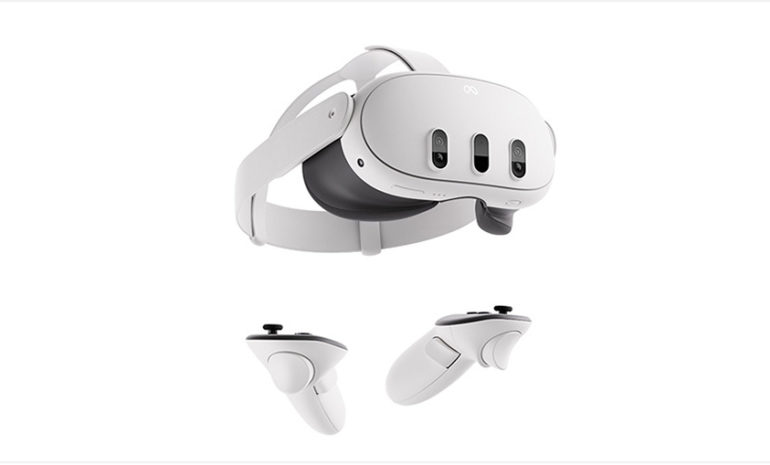
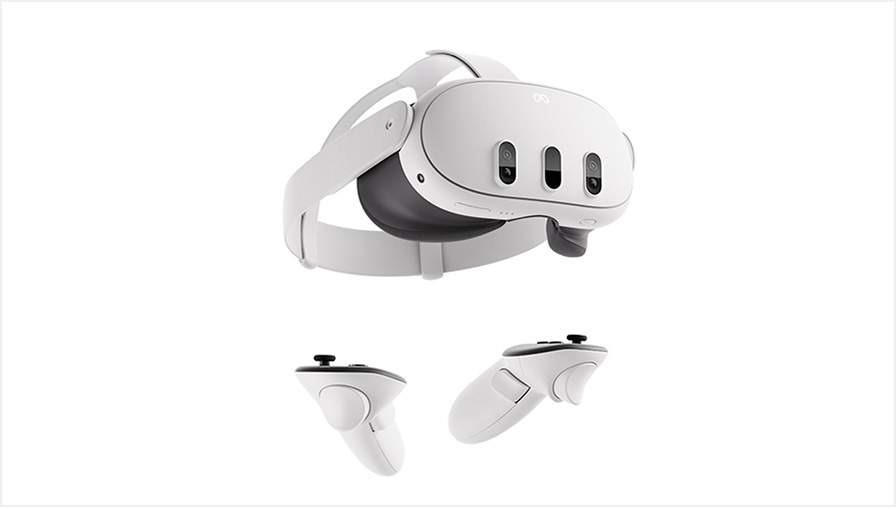
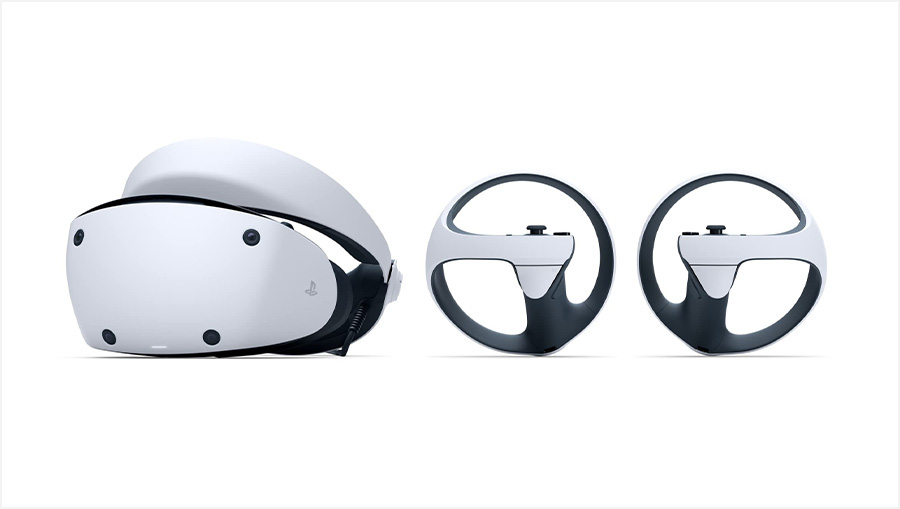
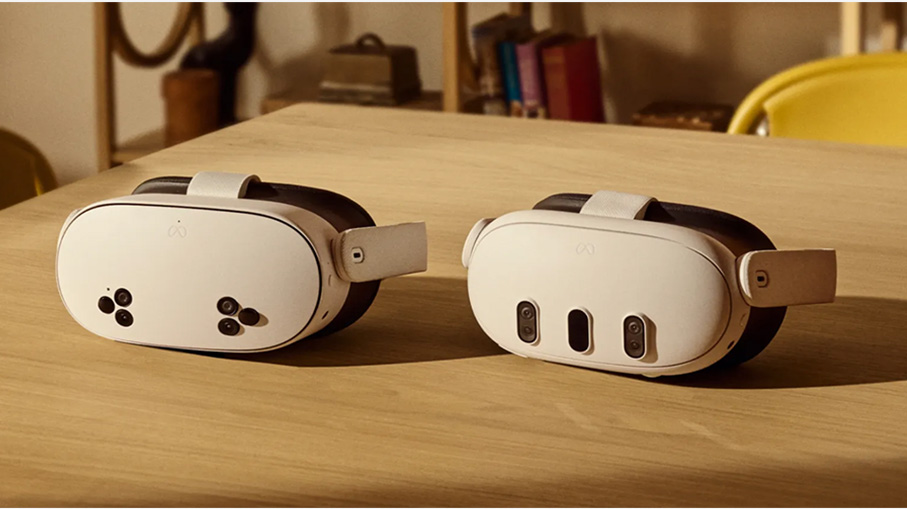
When you clearly understand your needs, you can make a more informed decision. For example, if your main focus is gaming, options like the PSVR 2 or the Meta Quest 3 may be more suitable. Choosing a VR headset that aligns with your purpose ensures a more satisfying experience.
3. Compatibility
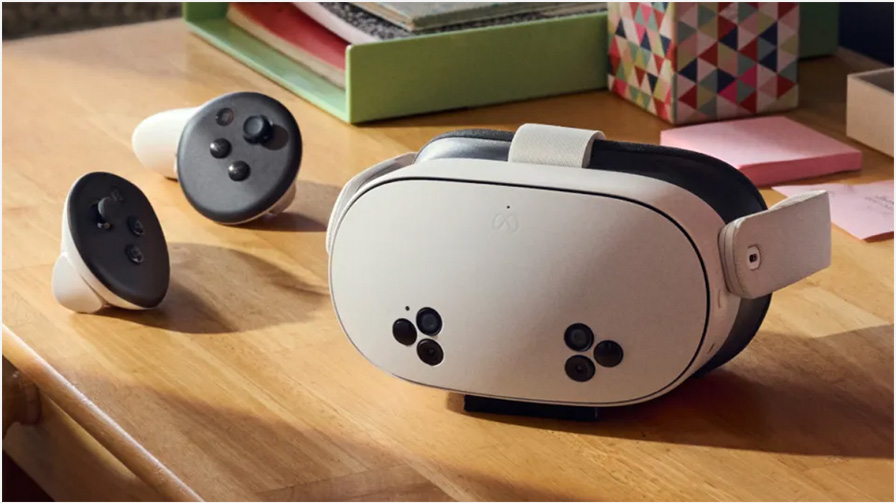
Once you have identified your goals, the next step is checking compatibility. You need to determine how well the VR headset fits into your preferred setup. Does it work smoothly with the platforms you want to use? Can it access the activities, apps, or games you are interested in? You should also decide whether you want a standalone device or a headset that connects to your existing PlayStation or PC. Making the right choice will help you get the most out of your virtual reality experiences.
4. Brand Credibility
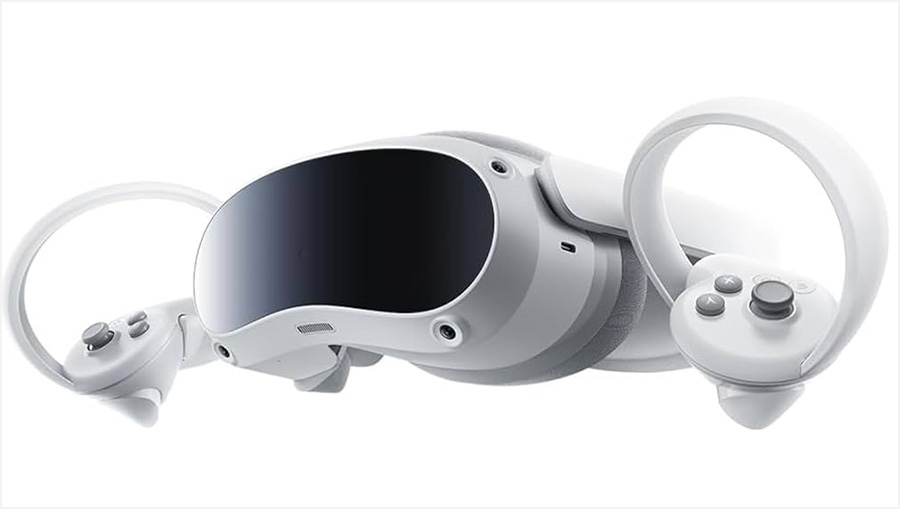
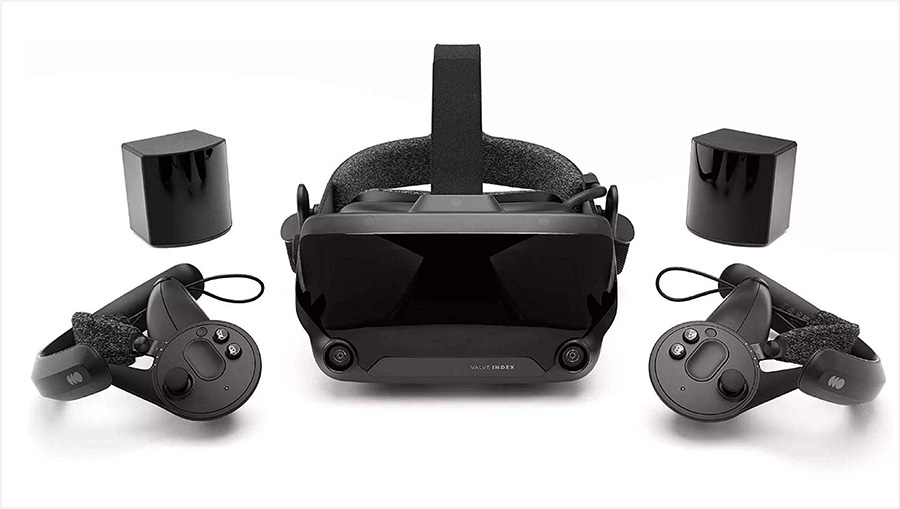
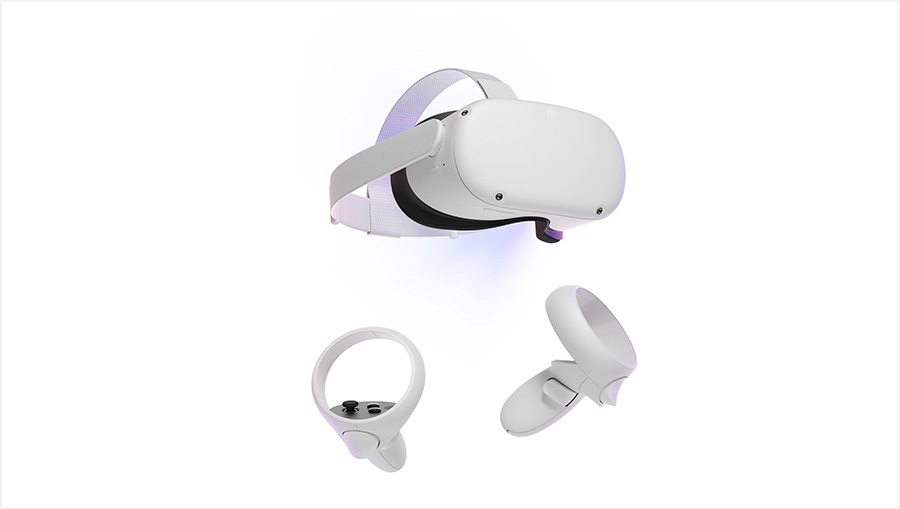
Brand reputation plays a major role in choosing a VR headset, just as it does with smartphones, laptops, and other tech products. Companies with strong track records are more likely to deliver reliable and durable devices. Brands like Meta, HTC, and Valve have built solid reputations for producing high quality VR headsets. Selecting a trusted brand reduces the chances of technical issues and ensures a smoother overall experience.


5. Key Features
When searching for the best VR headset, it is important to analyze the technical specifications carefully. Just like buying a smartphone in Computer Village, you need to check the features that determine performance.
Start by assessing the weight and ergonomics to ensure long lasting comfort. Look at the field of view, which influences how immersive the virtual reality environment will feel. Examine the controllers and their capabilities, because they play an important role in interaction and engagement. Also consider features such as refresh rate, display resolution, processor strength, and RAM capacity. These elements shape the quality of your experience, especially when using demanding applications or exploring advanced virtual reality content powered by artificial intelligence.
6. Expert and User Reviews
Learning from people who have already used the VR headset can make your decision easier. Both expert reviews and user feedback provide valuable insights. While user reviews can sometimes be emotional or exaggerated, combining them with expert analysis gives a clearer picture. If you notice repeated complaints such as overheating, lag, or poor comfort, take it as a warning sign. Use these reviews to determine whether the virtual reality headset is truly suitable for your needs or if you should explore better options.
7. Knowing the Type of VR Headset
Identifying the right type of VR headset is an essential part of the selection process. Even though virtual reality headsets may look similar, they differ significantly in how they function.
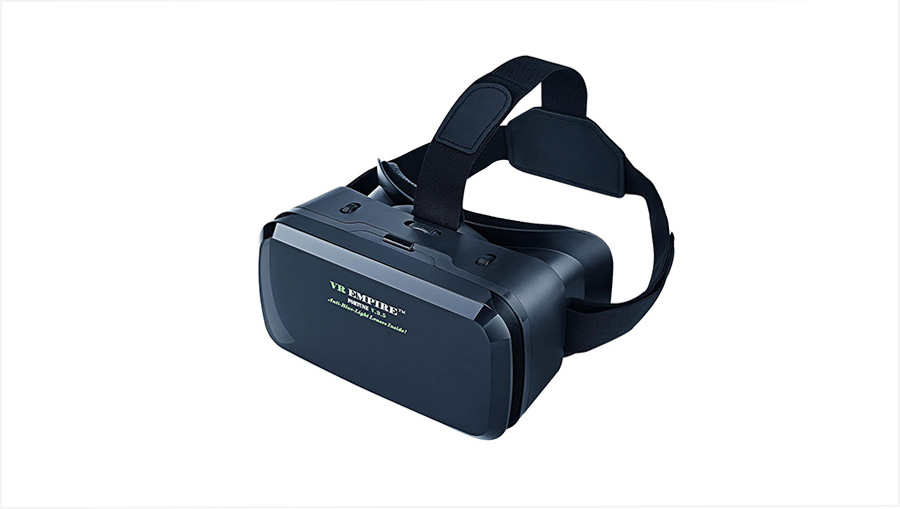
Tethered VR headsets require a cable connection to a computer. Standalone headsets operate independently and only need occasional charging. Smartphone VR headsets use a mobile device to create immersive experiences. Each type has its strengths and limitations, so it is important to match the device to your needs. Understanding these categories will help you choose the VR headset that delivers the experience you want.
Conclusion
Selecting the best VR headset may seem challenging, especially with the steady release of new devices featuring advanced capabilities. However, when you follow the guidelines in this article, the process becomes clearer and more manageable. With proper research and the right expectations, you can confidently choose a virtual reality headset that aligns with your needs and enhances the quality of your immersive experiences, whether you are exploring new forms of reality, enjoying a game, or using an audio headset for added comfort and engagement.