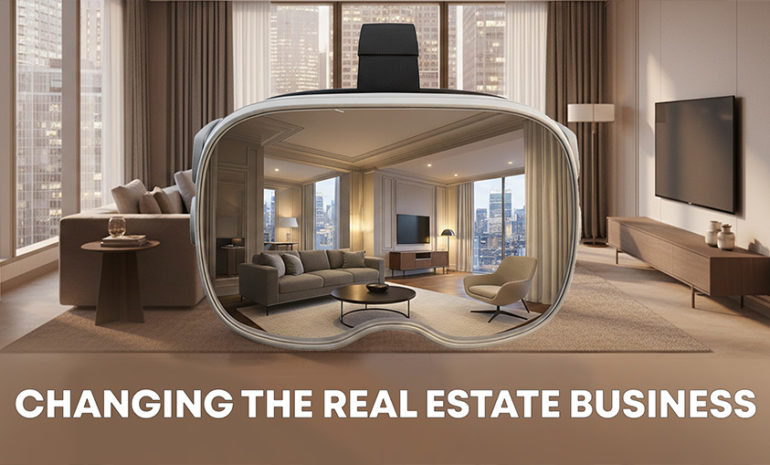
Virtual Reality is being recognized as a transformative force in property presentation within the Nigerian real estate landscape. Potential buyers and investors are being offered immersive, 360-degree virtual tours, enabling detailed exploration of properties without needing physical visits. These experiences showcase layouts and designs, enabling users to interact with the environment as if they were there.
Embracing this technology, Alaba Shonibare&Co, a leading real estate company in Nigeria, partnered with insightful3d to showcase how VR can effectively engage buyers and drive sales. Leveraging cutting-edge 3D visualization, video walkthroughs, and virtual tours for their real estate project.
Virtual Reality revolutionizes property presentation by delivering immersive, interactive, and emotionally engaging experiences, deeply connecting buyers and transforming the real estate landscape.
The Future of Property Presentation Using VR
Enhanced Property Visualization, Virtual Staging and Customization
In today’s real estate market, traditional property tours are evolving with the introduction of advanced virtual reality (VR) technology. This innovative approach goes beyond simple tours or mere walkthroughs; it combines virtual staging techniques that breathe life into empty properties by digitally furnishing them. VR allows users to showcase properties in various interior design styles, from contemporary minimalism to classic elegance, avoiding the logistical challenges and costs of physical staging. Additionally, users customize elements like wall colors, flooring, and furniture placement in real time, tailoring the virtual space to their preferences. This level of personalization empowers buyers to visualize their unique vision for the space, ultimately making the property more appealing and relatable as a potential new home.
Pre-Construction Visualization
For properties under development, a platform for presenting unbuilt spaces to prospective buyers is provided by VR. Developers create detailed 3D renderings that allow clients realistically walk through properties before construction, providing insights and building investment confidence. This effectively markets off-plan sales.
Global Reach and Accessibility
One of the most remarkable advantages of VR technology in real estate is its ability to transcend geographical limitations. Prospective buyers from around the globe can explore properties in various locations without the burden of costly travel. As a result, VR’s accessibility enhances convenience and significantly broadens the real estate market landscape for professionals. Imagine buyers in Ghana virtually viewing Nigerian homes, and investors in Kenya exploring Togo properties, all from their living rooms. VR tours create an authentic sense of presence, making remote viewing feel like an actual on-site visit. Consequently, this innovation can reduce the time and resources typically associated with physical property showings, streamlining the entire buying process.
Future Outlook
As VR technology evolves, we expect its applications to expand significantly in real estate. Advancements like haptic feedback will allow users to “feel” virtual textures, enhancing the immersive experience further. Additionally, the integration of artificial intelligence may enable more personalized virtual tours, adapting in real-time to the preferences and interactions of the user. These innovations promise to make property presentations more dynamic and tailored to individual clients.
Conclusion
In summary, Virtual reality actively revolutionizes property showcases, providing immersive, interactive, and highly customizable experiences for buyers and sellers. By adopting VR, professionals facilitate informed decisions, extend global reach, and gain a competitive edge in the market. The integration of VR not only enhances the experience for clients but also positions developers and agents at the forefront of industry innovation.