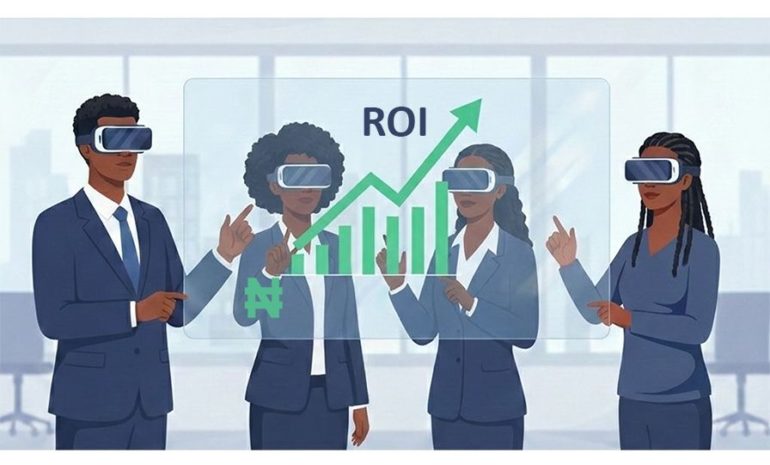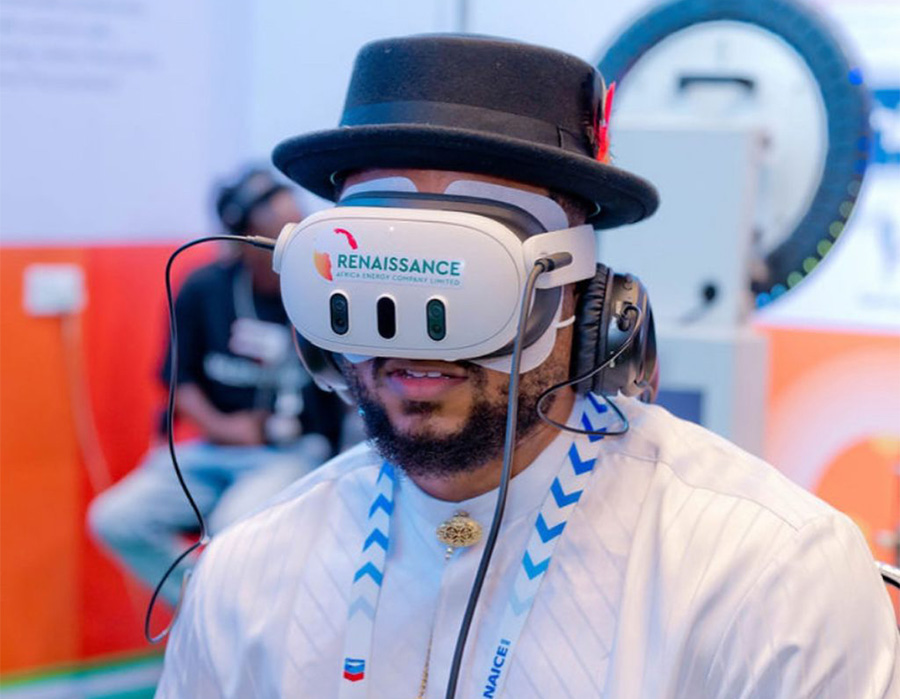
Virtual Reality has crossed the threshold from experimental to operational. Across global markets, companies are integrating VR into training programs, product development, customer experience, and remote collaboration. The technology is no longer debated; it is deployed.
For Nigerian businesses, 2026 represents a strategic inflection point. Companies that position themselves now will secure competitive advantages that late adopters will struggle to replicate. Those that continue dismissing VR as entertainment technology risk discovering too late that the market has already moved.
Below are the emerging business risks facing organizations that remain passive on VR adoption, based on observable trends and competitive signals from 2025.
Missing Revenue Streams That Are Opening Up
In 2025, select Nigerian real estate developers, educational institutions, and medical training centers have begun experimenting with VR. The scale remains limited, but the trajectory is clear.
VR is creating new business categories: virtual property showrooms, immersive product demonstrations, digital learning environments, 3D customer journeys, and digital twins for manufacturing and construction. These are not enhancements to existing models; they are new revenue streams.
By 2026, companies that ignore VR risk being locked out of opportunities that early adopters will have already captured. When a competitor can conduct property tours for international clients virtually, deliver product demos that feel tangible, or offer training experiences previously unavailable, they are not just competing more effectively. They are competing in markets inaccessible to those without immersive capabilities.
First-mover advantage compounds in emerging categories. Entry costs rise as standards solidify.
Rising Training Costs and Operational Inefficiency
Training remains one of the highest recurring expenses for Nigerian enterprises, particularly in energy, healthcare, manufacturing, finance, and logistics. Traditional methods require physical space, consumable materials, onsite coordination, and significant downtime.
Global data from 2024 and 2025 demonstrates that VR training reduces cycle times, improves knowledge retention, lowers risk exposure, and cuts recurring costs. Organizations using immersive simulations compress learning curves that previously required weeks into days.
By 2026, companies relying exclusively on conventional training methods will face a widening cost gap. Skills development will take longer. Employee readiness will lag. Competitors leveraging VR will operate with leaner budgets and faster deployment timelines.
The financial implications are not hypothetical. They are measurable and cumulative.
Losing Relevance With Digital-First Consumers
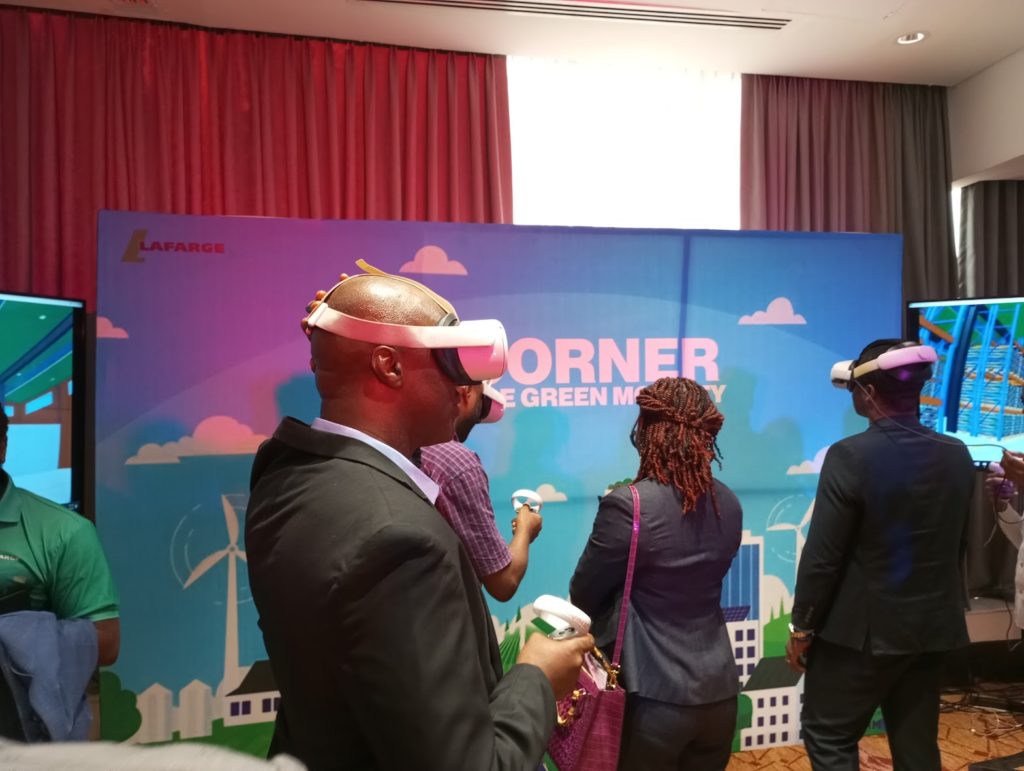
Nigeria’s consumer base skews young. Gen Z already dominates purchasing decisions, and Gen Alpha is entering the market. These cohorts have grown up inside immersive digital environments: gaming ecosystems, augmented filters, 3D commerce platforms, virtual learning spaces, and simulation-based engagement.
Brands relying solely on traditional channels (static websites, conventional advertising, physical retail experiences) will struggle to hold attention. Younger consumers gravitate toward competitors offering interactive, immersive experiences. The perception gap becomes a market reality: brands that cannot engage digitally appear outdated.
VR is not yet mainstream domestically, but the expectation for immersive interaction is already embedded in consumer behavior. Companies must meet audiences where engagement actually occurs, not where it used to.
Making High-Stakes Decisions Without the Right Tools
Nigeria’s most critical sectors operate in complex, high-risk environments. Oil and gas, construction, transportation, energy, and healthcare face consequences where errors translate directly into financial loss, operational disruption, or safety incidents.
Globally, VR is becoming standard for scenario simulations, equipment training, emergency response rehearsals, design validation, and remote collaboration. These tools enable teams to test outcomes, identify risks, and refine strategies before real-world execution.
By 2026, companies operating without VR will continue making high-stakes decisions using slide decks, written reports, and theoretical models. These methods have value, but they lack the clarity and testing rigor that immersive simulations provide. When competitors can validate decisions virtually, practice procedures realistically, and catch problems before implementation, the quality gap becomes a competitive liability.
In industries where mistakes are costly, ignoring better decision-making tools is a strategic risk.
The Real Risk: Doing Nothing
As 2025 closes, VR adoption in Nigeria is developing but not yet widespread. The trajectory, however, is unmistakable. The shift is coming. Businesses preparing today will define category standards tomorrow.
VR is not yet required for every organization. But understanding its applications, testing its viability, and integrating it strategically in 2026 will separate market leaders from market followers.
Forward-thinking organizations are already exploring how VR reduces costs, improves training outcomes, solves operational challenges, and engages younger demographics. They are not waiting for perfect conditions. They are positioning early while entry barriers remain low.
Where Insightful3D Studio Fits
Insightful3D Studio helps Nigerian businesses adopt VR in practical, cost-effective, industry-specific ways. We do not offer generic demonstrations. We build operational solutions that address real challenges.
From feasibility assessments to enterprise simulations, we work with organizations seeking to innovate early without unnecessary exposure. We understand local business realities: budget constraints, infrastructure limitations, and sector-specific requirements.
The Bottom Line
Ignoring VR in 2026 will not cause immediate failure. The consequences are gradual, not dramatic.
But they are real. Competitive position weakens steadily. Costs rise incrementally. Capability gaps open quietly. Early adopters will exploit every advantage these gaps create.
The question is not whether VR will reshape industries. The question is whether your organization will be positioned to lead when it does.
Ready to explore strategic VR implementation? Get in touch with us at Insightful3d today!